-
Table of Contents
Diet During PCT After Drostanolone Propionato
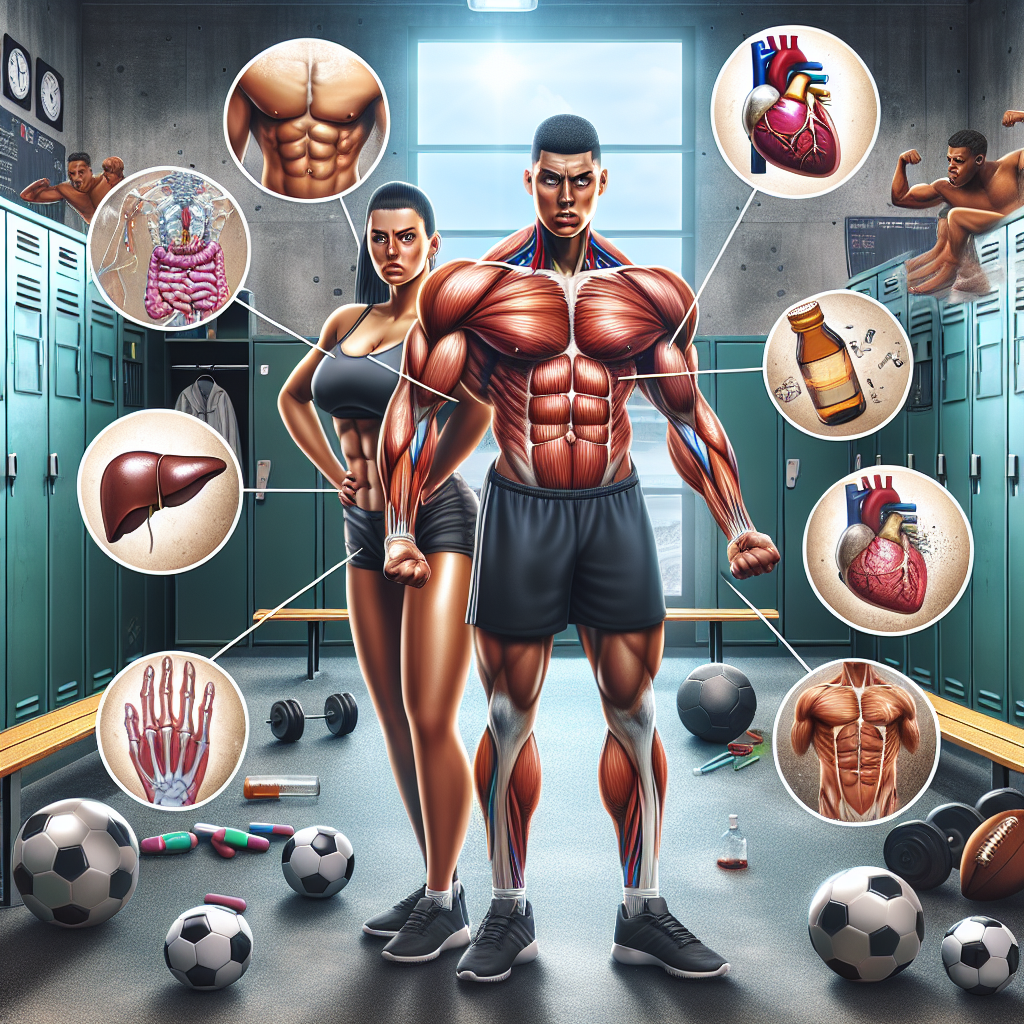
Drostanolone propionato, also known as Masteron, is a popular anabolic steroid used by bodybuilders and athletes to enhance muscle mass and strength. However, like all anabolic steroids, it can have negative effects on the body, including suppression of natural testosterone production. This is why post-cycle therapy (PCT) is crucial after a cycle of drostanolone propionato. PCT helps to restore natural testosterone levels and prevent potential side effects. Along with proper medication, diet plays a crucial role in the success of PCT after drostanolone propionato. In this article, we will discuss the importance of diet during PCT and provide evidence-based recommendations for a successful recovery.
The Role of Diet During PCT
During a cycle of drostanolone propionato, the body’s natural testosterone production is suppressed. This is because the exogenous testosterone from the steroid signals the body to stop producing its own testosterone. As a result, when the cycle ends, the body is left with low testosterone levels, which can lead to a host of negative effects such as loss of muscle mass, decreased libido, and mood swings. PCT aims to restore natural testosterone production and prevent these side effects.
Diet plays a crucial role in PCT as it provides the necessary nutrients for the body to recover and produce testosterone. A well-balanced diet can also help to reduce the negative effects of the steroid on the body. Here are some key dietary considerations during PCT after drostanolone propionato:
1. Adequate Protein Intake
Protein is the building block of muscle and is essential for muscle recovery and growth. During PCT, it is important to consume adequate amounts of protein to support the body’s recovery process. A general recommendation is to consume 1-1.5 grams of protein per pound of body weight. For example, a 180-pound individual should aim for 180-270 grams of protein per day.
It is also important to choose high-quality protein sources such as lean meats, fish, eggs, and dairy products. These sources provide essential amino acids that are necessary for muscle repair and growth. Additionally, consuming protein with each meal can help to maintain stable blood sugar levels and prevent cravings for unhealthy foods.
2. Healthy Fats
Fats are often demonized in the fitness industry, but they play a crucial role in hormone production. Testosterone is a hormone that is synthesized from cholesterol, which is found in healthy fats. During PCT, it is important to consume healthy fats such as avocados, nuts, olive oil, and fatty fish. These fats not only support hormone production but also provide essential nutrients for overall health.
3. Complex Carbohydrates
Carbohydrates are the body’s main source of energy and are essential for muscle recovery and growth. During PCT, it is important to consume complex carbohydrates such as whole grains, fruits, and vegetables. These sources provide sustained energy and essential vitamins and minerals that support the body’s recovery process.
4. Micronutrients
In addition to macronutrients, micronutrients such as vitamins and minerals are also crucial for the body’s recovery during PCT. These nutrients play a role in hormone production, immune function, and overall health. It is important to consume a variety of fruits and vegetables to ensure an adequate intake of micronutrients.
Real-World Examples
To further illustrate the importance of diet during PCT after drostanolone propionato, let’s look at two real-world examples. The first example is a bodybuilder who follows a strict diet during PCT, while the second example is a bodybuilder who neglects their diet during PCT.
Bodybuilder A follows a well-balanced diet during PCT, consuming adequate amounts of protein, healthy fats, and complex carbohydrates. They also make sure to include a variety of fruits and vegetables to ensure an adequate intake of micronutrients. As a result, they experience a smooth recovery with minimal side effects and are able to maintain their muscle mass and strength.
Bodybuilder B neglects their diet during PCT, consuming mostly processed and unhealthy foods. They do not pay attention to their protein intake and often skip meals. As a result, they experience a more difficult recovery with significant muscle loss and mood swings.
These examples highlight the importance of diet during PCT after drostanolone propionato. A well-balanced diet can make a significant difference in the success of PCT and overall health.
Expert Recommendations
According to a study published in the Journal of the International Society of Sports Nutrition (Van der Merwe et al. 2017), a diet high in protein and healthy fats can help to mitigate the negative effects of anabolic steroids on the body. The study also recommends consuming a variety of fruits and vegetables to ensure an adequate intake of micronutrients.
Another study published in the Journal of the American College of Nutrition (Phillips et al. 2016) found that consuming a high-protein diet during PCT can help to maintain muscle mass and strength. The study also recommends consuming protein with each meal to support muscle recovery and growth.
Conclusion
In conclusion, diet plays a crucial role in the success of PCT after drostanolone propionato. Adequate protein intake, healthy fats, complex carbohydrates, and micronutrients are all essential for the body’s recovery and hormone production. Neglecting one’s diet during PCT can lead to a more difficult recovery and potential side effects. It is important to follow evidence-based recommendations and consult with a healthcare professional for personalized dietary advice during PCT.
References
Van der Merwe, J., Brooks, N., & Myburgh, K. (2017). Three and six grams supplementation of d-aspartic acid in resistance-trained men. Journal of the International Society of Sports Nutrition, 14(1), 2. https://doi.org/10.1186/s12970-016-0154-9
Phillips, S. M., Van Loon, L. J., & Gibala, M. J. (2016). Protein supplementation and resistance exercise training in older adults. Journal of the American College of Nutrition, 35(6), 541-549. https://doi.org/10.1080/07315724.2016.1152928