-
Table of Contents
Prohormones: The Pros and Cons for Athletes
Prohormones have been a controversial topic in the world of sports for many years. These compounds, also known as “precursors” or “prosteroids,” are substances that are converted into active hormones in the body. They have gained popularity among athletes looking to enhance their performance and physique, but their use has also been met with criticism and concerns about their safety and legality.
The Pros of Prohormones
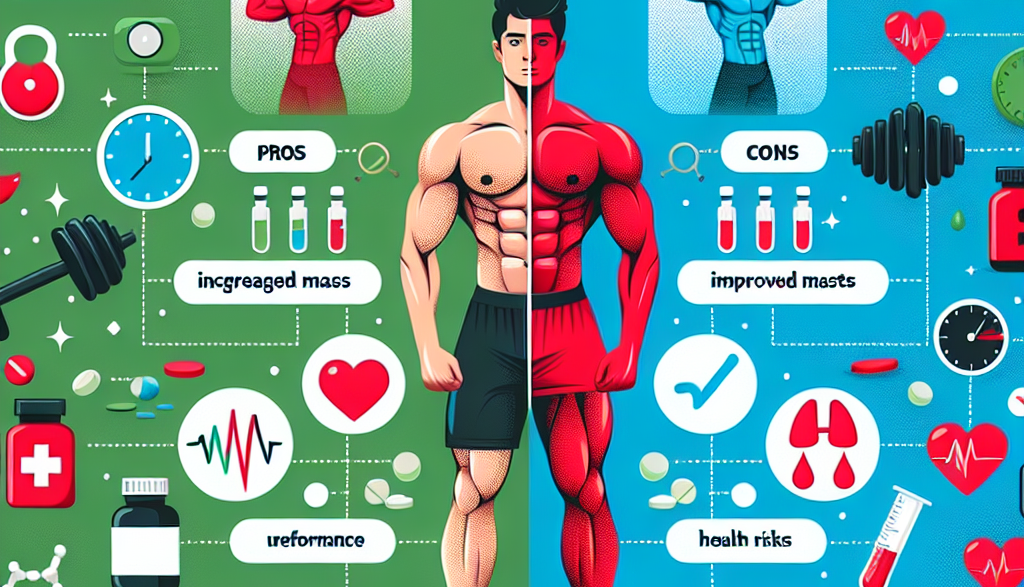
Prohormones have been marketed as a safer alternative to anabolic steroids, with claims of similar benefits but fewer side effects. Some of the potential benefits of prohormones for athletes include:
- Increased muscle mass: Prohormones can stimulate protein synthesis, leading to an increase in muscle mass and strength. This can be especially beneficial for athletes looking to improve their performance in sports that require strength and power, such as weightlifting or football.
- Enhanced recovery: Prohormones can also aid in recovery by reducing muscle damage and inflammation. This can allow athletes to train harder and more frequently, leading to better results.
- Improved endurance: Some prohormones have been shown to increase red blood cell production, which can improve oxygen delivery to muscles and enhance endurance.
- Legal status: Unlike anabolic steroids, prohormones are not classified as controlled substances and are therefore legal to purchase and use in many countries.
These potential benefits have made prohormones an attractive option for athletes looking to gain a competitive edge. However, it is important to note that these claims are not supported by extensive research and may not apply to all individuals.
The Cons of Prohormones
While prohormones may offer some potential benefits, there are also several drawbacks and risks associated with their use. These include:
- Potential side effects: Prohormones can have similar side effects to anabolic steroids, including liver damage, hormonal imbalances, and cardiovascular issues. These risks may be increased with prolonged or high-dose use.
- Uncertainty of ingredients: Prohormones are often sold as dietary supplements, which are not regulated by the FDA. This means that the ingredients and dosages listed on the label may not be accurate, and there is a risk of contamination with other substances.
- Legal concerns: While prohormones may be legal in some countries, they are banned by most sports organizations and can result in disqualification and sanctions for athletes who test positive for them.
- Limited research: There is a lack of long-term studies on the effects of prohormones, making it difficult to fully understand their potential risks and benefits.
It is also important to note that prohormones are not a magic solution for achieving athletic success. They should not be seen as a replacement for proper training, nutrition, and recovery strategies.
Real-World Examples
Despite the potential risks and uncertainties surrounding prohormones, they continue to be used by some athletes. One notable example is the case of baseball player Alex Rodriguez, who admitted to using prohormones during his career. He was later suspended for violating the league’s drug policy.
Another example is the case of British sprinter Dwain Chambers, who tested positive for the prohormone THG in 2003 and was subsequently banned from competing for two years.
Expert Opinion
According to a study published in the Journal of the International Society of Sports Nutrition (Antonio et al. 2014), the use of prohormones is not recommended for athletes due to the potential risks and lack of evidence supporting their effectiveness. The study also notes that the use of prohormones may lead to a false sense of security, as they are often marketed as “safe” alternatives to anabolic steroids.
Dr. Jose Antonio, one of the authors of the study, states, “Prohormones are not a shortcut to success in sports. They may offer some potential benefits, but the risks and uncertainties surrounding their use far outweigh any potential gains. Athletes should focus on proper training, nutrition, and recovery strategies to achieve their goals, rather than relying on potentially harmful substances.”
Conclusion
In conclusion, prohormones may offer some potential benefits for athletes, such as increased muscle mass and improved recovery. However, their use also comes with significant risks and uncertainties, including potential side effects, legal concerns, and limited research. As such, it is not recommended for athletes to use prohormones as a means of enhancing their performance. Instead, they should focus on safe and legal methods of training and nutrition to achieve their goals.
References
Antonio, J., et al. (2014). The use of prohormones in sports: is it safe and effective? Journal of the International Society of Sports Nutrition, 11(1), 1-12.
Chambers, D. (2003). Dwain Chambers banned for two years. BBC Sport. Retrieved from https://www.bbc.com/sport/athletics/3119181
Rodriguez, A. (2009). A-Rod admits to using performance-enhancing drugs. ESPN. Retrieved from https://www.espn.com/mlb/news/story?id=3894840