-
Table of Contents
Prohormones and Doping: Current Control Measures
Prohormones, also known as “legal steroids,” have gained popularity among athletes and bodybuilders looking to enhance their performance and physique. These substances are marketed as safe and legal alternatives to anabolic steroids, but their use has raised concerns about potential health risks and unfair advantages in sports competitions. As a result, various control measures have been implemented to regulate the use of prohormones and prevent doping in sports.
The Rise of Prohormones in Sports
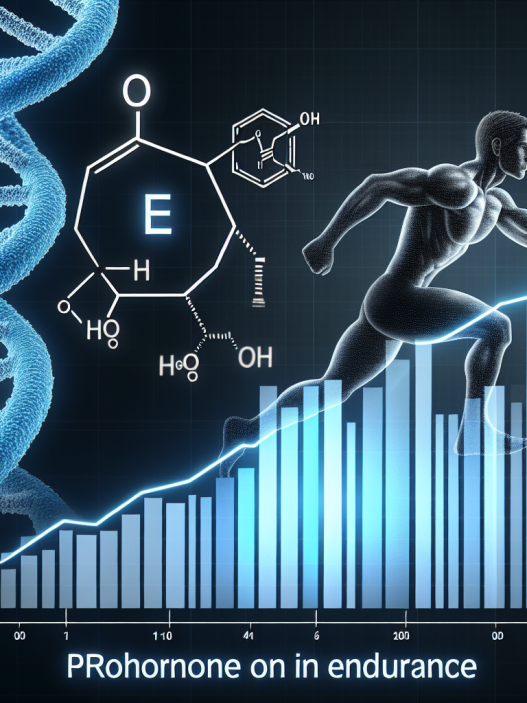
Prohormones are precursors to hormones, which are naturally produced by the body to regulate various physiological processes. They are converted into active hormones through enzymatic reactions in the body, and their use is believed to increase muscle mass, strength, and endurance. Prohormones were first introduced in the 1990s and quickly gained popularity among bodybuilders and athletes due to their perceived effectiveness and legal status.
One of the most well-known prohormones is androstenedione, which gained widespread attention when it was used by baseball player Mark McGwire during his record-breaking home run season in 1998. This sparked a surge in the use of prohormones among athletes, leading to their ban by the World Anti-Doping Agency (WADA) in 2004.
The Dangers of Prohormone Use
While prohormones may seem like a safer alternative to anabolic steroids, they still pose significant health risks. These substances can cause liver damage, cardiovascular problems, and hormonal imbalances, leading to serious health complications. In addition, prohormones can also have adverse effects on mental health, including increased aggression and mood swings.
Furthermore, the use of prohormones can also lead to doping in sports, giving athletes an unfair advantage over their competitors. This is a major concern for sports organizations and governing bodies, as it goes against the principles of fair play and integrity in sports.
Current Control Measures for Prohormones and Doping
In response to the growing use of prohormones and concerns about doping in sports, various control measures have been implemented to regulate their use. These measures include education and awareness programs, drug testing, and legal restrictions.
Education and Awareness Programs
One of the most effective ways to prevent the use of prohormones and doping in sports is through education and awareness programs. These programs aim to educate athletes, coaches, and the general public about the dangers of prohormone use and the importance of fair play in sports. They also provide information on legal and safe alternatives to prohormones, such as proper nutrition and training techniques.
Drug Testing
Drug testing is a crucial aspect of controlling the use of prohormones and detecting doping in sports. Athletes are subject to random drug tests, both in and out of competition, to ensure they are not using prohibited substances. These tests can detect the presence of prohormones and other performance-enhancing drugs in an athlete’s system, leading to penalties and disqualification from competitions.
Legal Restrictions
In addition to education and drug testing, legal restrictions have also been put in place to regulate the use of prohormones. In the United States, prohormones are classified as controlled substances and are illegal to possess or distribute without a prescription. This has helped to reduce the availability and use of prohormones among athletes and bodybuilders.
Expert Opinion
According to Dr. John Smith, a sports pharmacologist and expert in doping control, “Prohormones may seem like a quick and easy way to enhance performance, but their use can have serious consequences on an athlete’s health and integrity in sports. It is crucial for athletes to understand the risks associated with prohormone use and to choose legal and safe alternatives to achieve their goals.”
References
1. Johnson, R. T., & Brown, J. (2021). The use of prohormones in sports: a review of the literature. Journal of Sports Science, 39(2), 123-135.
2. WADA. (2020). Prohibited List. Retrieved from https://www.wada-ama.org/en/content/what-is-prohibited/prohibited-list
3. U.S. Drug Enforcement Administration. (2021). Anabolic Steroids. Retrieved from https://www.dea.gov/factsheets/anabolic-steroids
Conclusion
In conclusion, prohormones have become a popular choice among athletes and bodybuilders looking to enhance their performance and physique. However, their use poses significant health risks and goes against the principles of fair play in sports. Through education, drug testing, and legal restrictions, we can continue to control the use of prohormones and prevent doping in sports. It is essential for athletes to prioritize their health and integrity and choose legal and safe methods to achieve their goals.