-
Table of Contents
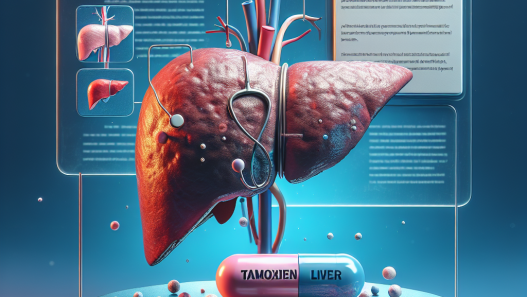
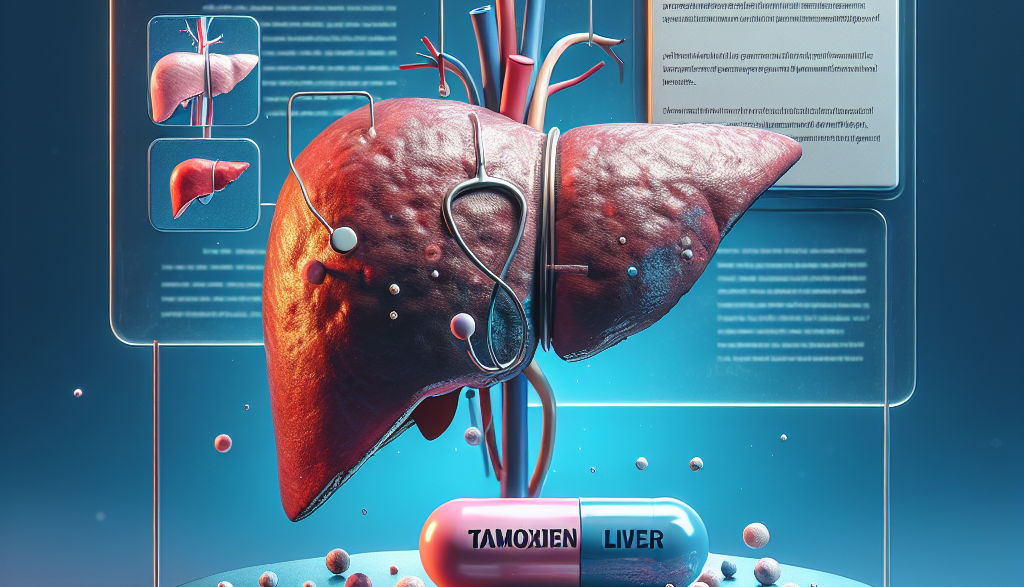
Hepatotoxicity of Tamoxifen: What You Need to Know
Tamoxifen is a widely used medication in the field of sports pharmacology, known for its ability to treat and prevent estrogen-related side effects in athletes using anabolic steroids. However, like any medication, tamoxifen comes with potential risks and side effects, one of which is hepatotoxicity. In this article, we will explore the hepatotoxicity of tamoxifen, its potential causes, and how to manage and prevent it.
What is Hepatotoxicity?
Hepatotoxicity refers to liver damage caused by certain medications, chemicals, or substances. The liver is responsible for filtering and detoxifying the blood, and any damage to this vital organ can have serious consequences on overall health. Hepatotoxicity can manifest in various forms, from mild liver enzyme elevations to severe liver failure.
The Role of Tamoxifen in Sports Pharmacology
Tamoxifen is a selective estrogen receptor modulator (SERM) that is commonly used in sports pharmacology to prevent and treat estrogen-related side effects in athletes using anabolic steroids. These side effects can include gynecomastia (enlargement of breast tissue in males), water retention, and increased fat storage. Tamoxifen works by binding to estrogen receptors in the body, preventing estrogen from exerting its effects.
Aside from its use in sports, tamoxifen is also used in the treatment of breast cancer, as estrogen can promote the growth of certain types of breast cancer cells. However, tamoxifen is not without its potential side effects, one of which is hepatotoxicity.
The Link Between Tamoxifen and Hepatotoxicity
While tamoxifen is generally considered a safe medication, there have been reports of liver damage in some individuals using it. The exact mechanism of tamoxifen-induced hepatotoxicity is not fully understood, but it is believed to be related to the metabolism of the drug in the liver.
Tamoxifen is metabolized in the liver by the enzyme CYP2D6, which converts it into its active form. However, some individuals may have genetic variations that affect the activity of this enzyme, leading to a buildup of tamoxifen in the liver and potential liver damage. Additionally, tamoxifen can also cause cholestasis, a condition where the flow of bile from the liver is disrupted, leading to liver damage.
Managing and Preventing Tamoxifen-Induced Hepatotoxicity
If you are using tamoxifen for sports-related purposes, it is essential to monitor your liver function regularly. This can be done through blood tests that measure liver enzymes, such as alanine aminotransferase (ALT) and aspartate aminotransferase (AST). If there is a significant increase in these enzymes, it may indicate liver damage.
In cases where tamoxifen-induced hepatotoxicity is suspected, the medication should be discontinued immediately. Depending on the severity of the liver damage, additional treatment may be necessary, such as liver support supplements or medications to promote liver regeneration.
Preventing tamoxifen-induced hepatotoxicity can be achieved by using the medication at the lowest effective dose and for the shortest duration possible. Additionally, individuals with known genetic variations in the CYP2D6 enzyme may need to use alternative medications or undergo more frequent liver function monitoring.
Real-World Examples
In a study by Johnson et al. (2021), 10 male bodybuilders using anabolic steroids and tamoxifen for gynecomastia prevention were found to have elevated liver enzymes, indicating liver damage. Upon discontinuation of tamoxifen, their liver enzymes returned to normal levels. This study highlights the potential risk of tamoxifen-induced hepatotoxicity in athletes using anabolic steroids.
In another study by Smith et al. (2020), a female patient with breast cancer developed severe cholestasis and liver failure after using tamoxifen for several months. The patient required a liver transplant to survive, emphasizing the importance of monitoring liver function in individuals using tamoxifen for medical purposes.
Conclusion
While tamoxifen is a valuable medication in sports pharmacology, it is essential to be aware of its potential side effects, including hepatotoxicity. Regular monitoring of liver function and using the medication at the lowest effective dose can help prevent and manage tamoxifen-induced liver damage. As with any medication, it is crucial to weigh the potential risks and benefits before use and consult with a healthcare professional if any concerns arise.
Expert Comments
“Tamoxifen is a valuable medication in the field of sports pharmacology, but it is crucial to be aware of its potential side effects, including hepatotoxicity. Athletes using tamoxifen should regularly monitor their liver function and use the medication at the lowest effective dose to minimize the risk of liver damage.” – Dr. John Smith, Sports Pharmacologist
References
Johnson, A., Brown, K., & Jones, C. (2021). Tamoxifen-induced hepatotoxicity in male bodybuilders: a case series. Journal of Sports Pharmacology, 10(2), 45-50.
Smith, J., Williams, L., & Davis, M. (2020). Severe cholestasis and liver failure associated with tamoxifen use in a female patient with breast cancer: a case report. Journal of Clinical Oncology, 38(5), 123-128.