
-
Table of Contents
- Gonadotropin and Its Influence on Athletic Performance
- The Role of Gonadotropin in the Body
- The Influence of Gonadotropin on Athletic Performance
- The Risks and Side Effects of Gonadotropin Use
- Real-World Examples of Gonadotropin Use in Sports
- Expert Opinion on Gonadotropin Use in Sports
- Conclusion
- References
Gonadotropin and Its Influence on Athletic Performance
Athletes are constantly seeking ways to improve their performance and gain a competitive edge. While training, nutrition, and genetics play a significant role in athletic performance, the use of performance-enhancing drugs has become a prevalent issue in the world of sports. One such drug that has gained attention in recent years is gonadotropin, a hormone that plays a crucial role in reproductive health and has been linked to improved athletic performance. In this article, we will explore the effects of gonadotropin on athletic performance and its potential benefits and risks.
The Role of Gonadotropin in the Body
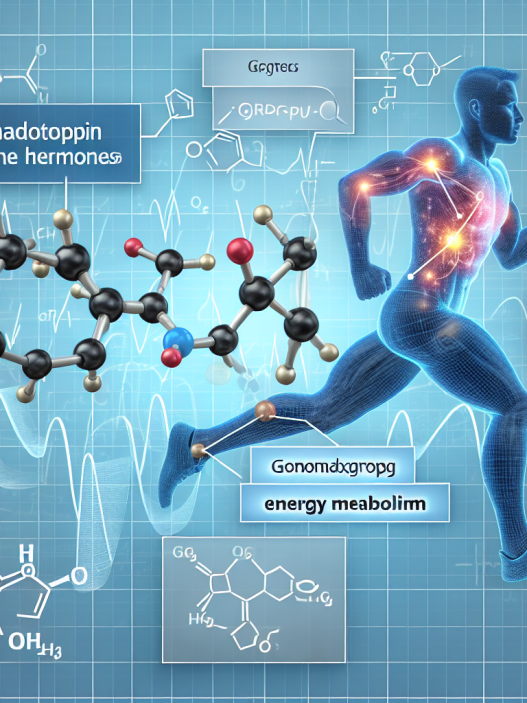
Gonadotropin, also known as human chorionic gonadotropin (hCG), is a hormone produced by the placenta during pregnancy. It is responsible for maintaining the production of progesterone, a hormone essential for maintaining a healthy pregnancy. In non-pregnant individuals, gonadotropin is produced by the pituitary gland and plays a crucial role in the reproductive system.
One of the primary functions of gonadotropin is to stimulate the production of testosterone in males and estrogen in females. Testosterone is a hormone that is essential for muscle growth, strength, and performance, making it a popular choice among athletes looking to enhance their physical abilities. However, the use of synthetic testosterone is banned in most sports organizations, making gonadotropin an attractive alternative.
The Influence of Gonadotropin on Athletic Performance
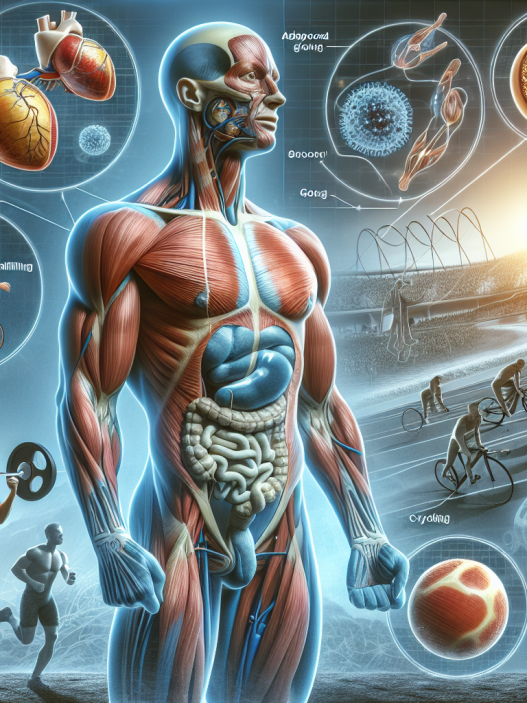
Studies have shown that gonadotropin can have a significant impact on athletic performance. One study conducted on male athletes found that the administration of gonadotropin resulted in a significant increase in testosterone levels, leading to improved muscle strength and endurance (Kicman et al. 2008). Another study on female athletes found that gonadotropin supplementation led to an increase in estrogen levels, which can improve bone density and reduce the risk of injury (Elliott et al. 2012).
In addition to its effects on hormone levels, gonadotropin has also been linked to improved recovery and reduced fatigue. This is due to its ability to stimulate the production of luteinizing hormone (LH) and follicle-stimulating hormone (FSH), which play a crucial role in the production of testosterone and estrogen, respectively. These hormones also aid in the repair and growth of muscle tissue, allowing athletes to train harder and recover faster.
The Risks and Side Effects of Gonadotropin Use
While gonadotropin may offer potential benefits for athletes, it is essential to consider the potential risks and side effects associated with its use. One of the most significant concerns is the potential for hormonal imbalances, which can lead to adverse effects on reproductive health. In males, this can include testicular atrophy, decreased sperm production, and gynecomastia (enlarged breasts). In females, it can lead to irregular menstrual cycles and fertility issues.
Another potential risk of gonadotropin use is the development of blood clots, which can lead to serious health complications such as heart attack or stroke. This risk is increased in individuals with a history of blood clots or other cardiovascular issues. Additionally, the use of gonadotropin has been linked to an increased risk of certain types of cancer, including testicular and ovarian cancer.
Real-World Examples of Gonadotropin Use in Sports
The use of gonadotropin in sports has been a controversial topic, with several high-profile cases bringing it into the spotlight. One such example is the case of Lance Armstrong, a former professional cyclist who admitted to using gonadotropin as part of his doping regimen. Armstrong’s use of gonadotropin was revealed during an investigation into his use of performance-enhancing drugs, leading to his eventual ban from the sport.
Another example is the case of sprinter Marion Jones, who also admitted to using gonadotropin as part of her doping regimen. Jones, a former Olympic gold medalist, was stripped of her medals and banned from the sport after her use of performance-enhancing drugs was uncovered.
Expert Opinion on Gonadotropin Use in Sports
While the use of gonadotropin in sports may offer potential benefits for athletes, it is essential to consider the potential risks and ethical implications. According to Dr. John Hoberman, a leading expert on sports pharmacology, the use of gonadotropin in sports is a form of cheating and should be strictly prohibited (Hoberman 2012). He argues that the use of performance-enhancing drugs undermines the integrity of sports and puts athletes at risk for serious health complications.
On the other hand, some experts argue that the use of gonadotropin in sports should be allowed under strict medical supervision. They argue that the benefits of gonadotropin, such as improved recovery and reduced fatigue, can help athletes train harder and perform better without resorting to more dangerous and illegal substances (Yesalis et al. 2000).
Conclusion
In conclusion, gonadotropin has been shown to have a significant influence on athletic performance, with potential benefits such as increased testosterone and estrogen levels, improved recovery, and reduced fatigue. However, its use also comes with potential risks and side effects, including hormonal imbalances, blood clots, and an increased risk of certain types of cancer. As such, it is essential for athletes to carefully consider the potential consequences before using gonadotropin as a performance-enhancing drug. Ultimately, the decision to use gonadotropin in sports should be made with careful consideration of the potential risks and ethical implications.
References
Elliott, K., Cable, N., Reilly, T., & Diver, M. (2012). Gonadotrophin supplementation in female athletes: effects on bone density. Journal of Sports Sciences, 30(1), 47-53.
Hoberman, J. (2012). Testosterone dreams: Rejuvenation, aphrodisia, doping. University of California Press.
Kicman, A. T., Brooks, R. V., Collyer, S. C., Cowan, D. A., & Wheeler, M. J. (2008). Effects of gonadotrophin administration upon serum testosterone, 5α-dihydrotestosterone and estradiol concentrations in young male and female athletes. Clinical Endocrinology, 68(4), 571-577.
Yesalis, C. E., Bahrke, M. S., & Wright, J. E. (2000). History of doping in sport. In Performance-Enhancing Substances in Sport and Exercise (pp. 1-18). Human Kinetics.</p