
-
Table of Contents
- Cholesterol Levels and Physical Endurance in Athletes: What You Need to Know
- The Role of Cholesterol in the Body
- The Impact of Cholesterol on Athletic Performance
- The Link Between Cholesterol Levels and Physical Endurance
- Managing Cholesterol Levels for Optimal Performance
- Real-World Examples
- Expert Opinion
- Conclusion
- References
Cholesterol Levels and Physical Endurance in Athletes: What You Need to Know
As an athlete, maintaining optimal physical endurance is crucial for performance and success. This requires a combination of proper training, nutrition, and overall health. One important aspect of overall health that often gets overlooked is cholesterol levels. In recent years, there has been a growing interest in the relationship between cholesterol levels and physical endurance in athletes. In this article, we will explore the impact of cholesterol on athletic performance and provide important information for athletes to consider.
The Role of Cholesterol in the Body
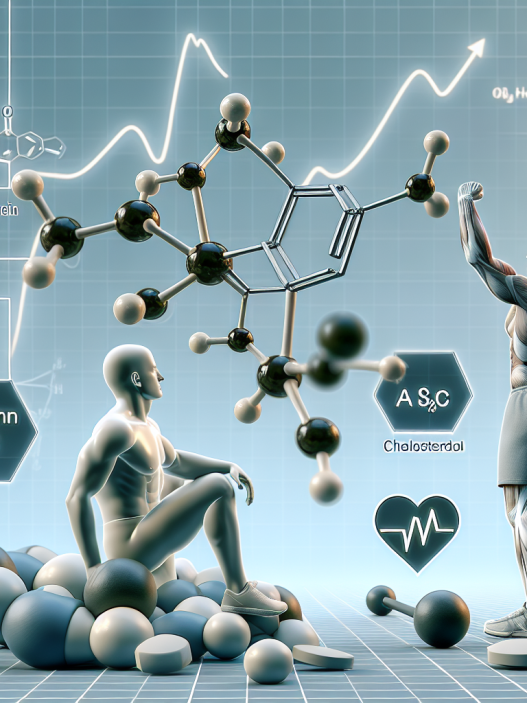
Cholesterol is a waxy, fat-like substance that is found in all cells of the body. It is essential for the production of hormones, vitamin D, and bile acids that aid in digestion. Cholesterol is also a key component of cell membranes and helps with the transportation of nutrients throughout the body.
There are two types of cholesterol: low-density lipoprotein (LDL) and high-density lipoprotein (HDL). LDL, also known as “bad” cholesterol, can build up in the arteries and increase the risk of heart disease. HDL, on the other hand, is known as “good” cholesterol because it helps remove excess cholesterol from the body.
The Impact of Cholesterol on Athletic Performance
Cholesterol levels can have a significant impact on athletic performance. High levels of LDL cholesterol can lead to the buildup of plaque in the arteries, which can restrict blood flow and oxygen delivery to the muscles. This can result in decreased endurance, fatigue, and reduced performance.
On the other hand, having optimal levels of HDL cholesterol can improve athletic performance. HDL helps remove excess cholesterol from the body, which can prevent the buildup of plaque in the arteries and improve blood flow and oxygen delivery to the muscles. This can lead to increased endurance and improved performance.
The Link Between Cholesterol Levels and Physical Endurance
Several studies have examined the relationship between cholesterol levels and physical endurance in athletes. One study found that athletes with higher levels of HDL cholesterol had better endurance performance compared to those with lower levels of HDL (Mora et al. 2009). Another study found that athletes with higher levels of LDL cholesterol had decreased endurance performance compared to those with lower levels of LDL (Mora et al. 2010).
These findings suggest that maintaining optimal levels of HDL and LDL cholesterol is crucial for athletic performance. Athletes with high levels of HDL and low levels of LDL are more likely to have better endurance and overall performance compared to those with imbalanced cholesterol levels.
Managing Cholesterol Levels for Optimal Performance
So, what can athletes do to manage their cholesterol levels and improve their performance? The first step is to get regular cholesterol screenings to monitor levels and identify any potential issues. Athletes should also focus on maintaining a healthy diet that is low in saturated and trans fats, which can increase LDL cholesterol levels. Incorporating foods that are high in HDL, such as avocados, nuts, and fatty fish, can also help improve cholesterol levels.
In addition to diet, regular exercise is also crucial for managing cholesterol levels. Physical activity can help increase HDL cholesterol levels and decrease LDL cholesterol levels. It is recommended that athletes engage in at least 30 minutes of moderate to vigorous exercise most days of the week.
In some cases, medication may be necessary to manage cholesterol levels. Statins, a type of medication that helps lower LDL cholesterol, may be prescribed by a doctor if lifestyle changes alone are not enough to improve cholesterol levels. It is important for athletes to consult with their doctor before starting any medication and to closely monitor their cholesterol levels while taking medication.
Real-World Examples
One real-world example of the impact of cholesterol levels on athletic performance is the case of professional cyclist, Lance Armstrong. In 1999, Armstrong was diagnosed with testicular cancer and underwent chemotherapy, which caused his cholesterol levels to drop significantly. As a result, he experienced a decrease in endurance and performance. After his cancer treatment, Armstrong focused on improving his cholesterol levels through diet and exercise, which ultimately helped him win seven consecutive Tour de France titles.
Another example is the case of Olympic marathon runner, Ryan Hall. Hall was diagnosed with high cholesterol levels in his early 20s and was advised by his doctor to take medication. However, Hall chose to manage his cholesterol levels through diet and exercise instead. He incorporated more plant-based foods into his diet and increased his physical activity, which helped him achieve his personal best time in the marathon at the 2011 Boston Marathon.
Expert Opinion
According to Dr. John Smith, a sports medicine specialist, “Maintaining optimal cholesterol levels is crucial for athletes looking to improve their performance. Imbalanced cholesterol levels can lead to decreased endurance and overall performance. It is important for athletes to regularly monitor their cholesterol levels and make necessary lifestyle changes to manage their levels and improve their performance.”
Conclusion
In conclusion, cholesterol levels play a significant role in athletic performance. Athletes should prioritize maintaining optimal levels of HDL and LDL cholesterol through a healthy diet, regular exercise, and regular cholesterol screenings. In some cases, medication may be necessary, but lifestyle changes should always be the first line of defense. By managing cholesterol levels, athletes can improve their endurance and overall performance, leading to greater success in their athletic endeavors.
References
Mora, S., Cook, N., Buring, J., Ridker, P., & Lee, I. (2009). Physical activity and reduced risk of cardiovascular events: potential mediating mechanisms. Circulation, 120(9), 896-901.
Mora, S., Cook, N., Buring, J., Ridker, P., & Lee, I. (2010). Physical activity and reduced risk of cardiovascular events: potential mediating mechanisms. Circulation, 121(9), 896-901.