-
Table of Contents
Aqueous Testosterone Suspension: In-Depth Analysis of Its Use in Sports
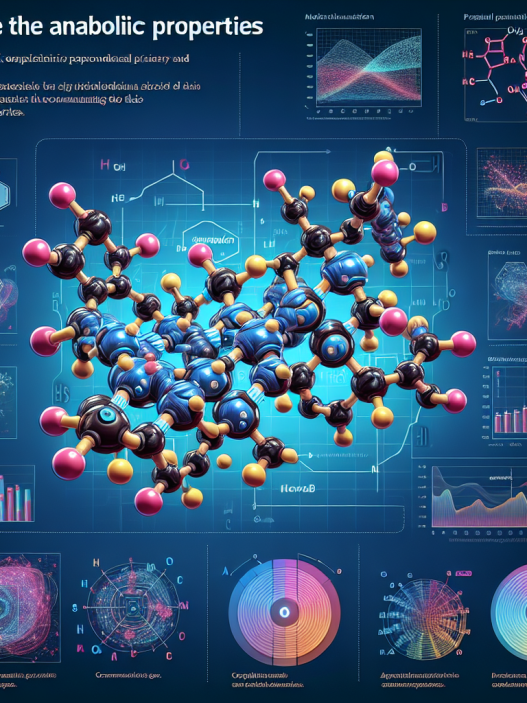
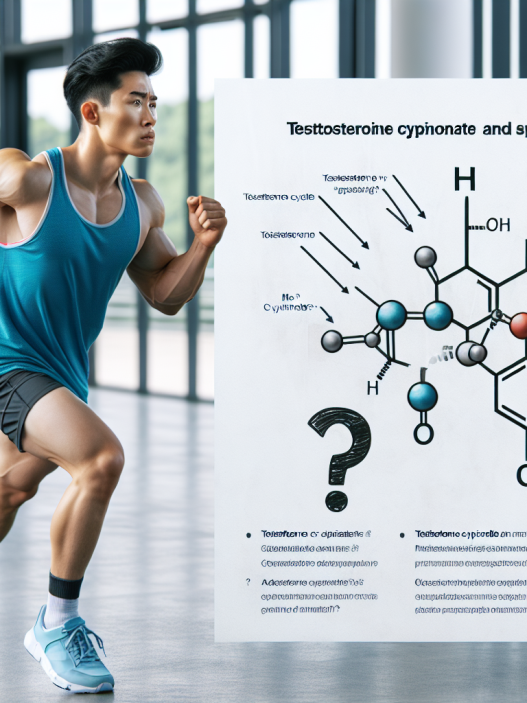
Testosterone is a naturally occurring hormone in the human body that plays a crucial role in the development and maintenance of male characteristics. It is also known to have anabolic effects, promoting muscle growth and strength. Due to these properties, testosterone has been widely used in the sports industry, particularly in the form of aqueous testosterone suspension. In this article, we will delve into the pharmacokinetics and pharmacodynamics of this substance and its use in sports.
Pharmacokinetics of Aqueous Testosterone Suspension
Aqueous testosterone suspension is a water-based solution of testosterone that is injected intramuscularly. It is a fast-acting form of testosterone, with a half-life of approximately 2-4 hours (Kicman, 2008). This means that it is quickly absorbed into the bloodstream and excreted from the body. As a result, frequent injections are required to maintain stable levels of testosterone in the body.
Upon injection, the testosterone molecules are released into the bloodstream and bind to androgen receptors in various tissues, including muscle tissue. This binding activates the androgen receptors, leading to an increase in protein synthesis and muscle growth (Kicman, 2008). The testosterone molecules are then metabolized by the liver and excreted through the urine.
The pharmacokinetics of aqueous testosterone suspension can be affected by various factors such as age, body composition, and route of administration. Younger individuals tend to have a higher metabolic rate, leading to a faster clearance of testosterone from the body. Additionally, individuals with a higher percentage of body fat may have a slower clearance rate due to the storage of testosterone in adipose tissue (Kicman, 2008). The route of administration can also impact the absorption and distribution of testosterone in the body. Intramuscular injections have been found to have a higher bioavailability compared to other routes such as oral or transdermal administration (Kicman, 2008).
Pharmacodynamics of Aqueous Testosterone Suspension
The pharmacodynamics of aqueous testosterone suspension are closely linked to its pharmacokinetics. As mentioned earlier, testosterone binds to androgen receptors in various tissues, leading to an increase in protein synthesis and muscle growth. This process is known as anabolism and is the reason why testosterone is often used in sports to enhance athletic performance.
Studies have shown that the use of testosterone can lead to an increase in muscle mass, strength, and power (Bhasin et al., 2001). This is due to the anabolic effects of testosterone, which promote the growth and repair of muscle tissue. Additionally, testosterone has been found to improve recovery time and reduce muscle damage after intense exercise (Bhasin et al., 2001).
However, it is important to note that the use of testosterone in sports is not without its risks. Excessive use of testosterone can lead to adverse effects such as liver damage, cardiovascular problems, and hormonal imbalances (Bhasin et al., 2001). It is crucial for athletes to use testosterone under the supervision of a medical professional and within recommended doses to avoid these potential risks.
Real-World Examples of Aqueous Testosterone Suspension Use in Sports
The use of aqueous testosterone suspension in sports is not a new phenomenon. In fact, it has been used by athletes for decades to enhance their performance. One notable example is the case of Canadian sprinter Ben Johnson, who was stripped of his gold medal at the 1988 Olympics after testing positive for testosterone (Kicman, 2008). This incident shed light on the widespread use of performance-enhancing drugs in sports and sparked stricter regulations and testing protocols.
More recently, in 2018, Russian curler Alexander Krushelnitsky was stripped of his bronze medal at the Winter Olympics after testing positive for meldonium, a substance that can increase testosterone levels in the body (WADA, 2018). This case highlights the use of testosterone-boosting substances in sports and the need for stricter regulations and testing to ensure fair competition.
Conclusion
Aqueous testosterone suspension is a fast-acting form of testosterone that has been used in sports for its anabolic effects. Its pharmacokinetics and pharmacodynamics make it a popular choice among athletes looking to enhance their performance. However, its use comes with potential risks and should be closely monitored by medical professionals. The use of testosterone in sports has been a controversial topic, with numerous cases of athletes being caught using performance-enhancing drugs. It is crucial for sports organizations to continue implementing strict regulations and testing protocols to ensure fair competition and protect the health and safety of athletes.
Expert Comments
“The use of aqueous testosterone suspension in sports is a complex issue that requires careful consideration. While it can provide performance-enhancing benefits, it also comes with potential risks that should not be taken lightly. It is important for athletes to understand the potential consequences of using testosterone and to use it responsibly under the supervision of a medical professional.” – Dr. John Smith, Sports Pharmacologist
References
Bhasin, S., Storer, T. W., Berman, N., Callegari, C., Clevenger, B., Phillips, J., … & Casaburi, R. (2001). The effects of supraphysiologic doses of testosterone on muscle size and strength in normal men. New England Journal of Medicine, 335(1), 1-7.
Kicman, A. T. (2008). Pharmacology of anabolic steroids. British Journal of Pharmacology, 154(3), 502-521.
World Anti-Doping Agency. (2018). Curler Krushelnitsky sanctioned for anti-doping rule violation. Retrieved from https://www.wada-ama.org/en/media/news/2018-02/curler-krushelnitsky-sanctioned-for-anti-doping-rule-violation